
Early work, small wins
I grew up in the Shetland Islands as one of nine children. As a child I learned to steady my feet and hands through persistence. I had to relearn how to tie laces, practise jumping over small obstacles and learn to trust uneven ground. Those drills taught me to break large aims into tiny, repeatable actions.
I was forever tripping over, losing my balance and being knocked over by the slightest bump. Strength was never something that came naturally. Every milestone, however small, was earned through patience and repetition. Without knowing it, those early frustrations were building the mindset I would rely on later.
Swimming, horse riding and later rugby gave me opportunities to build usable strength and coordination. I represented Shetland at rugby and joined a strength gym to improve on the pitch. That tactical choice became a place where measurable progress appeared week to week.
Strength was never something that came naturally to me. It was something I had to build from the very beginning.
A very different kind of strength
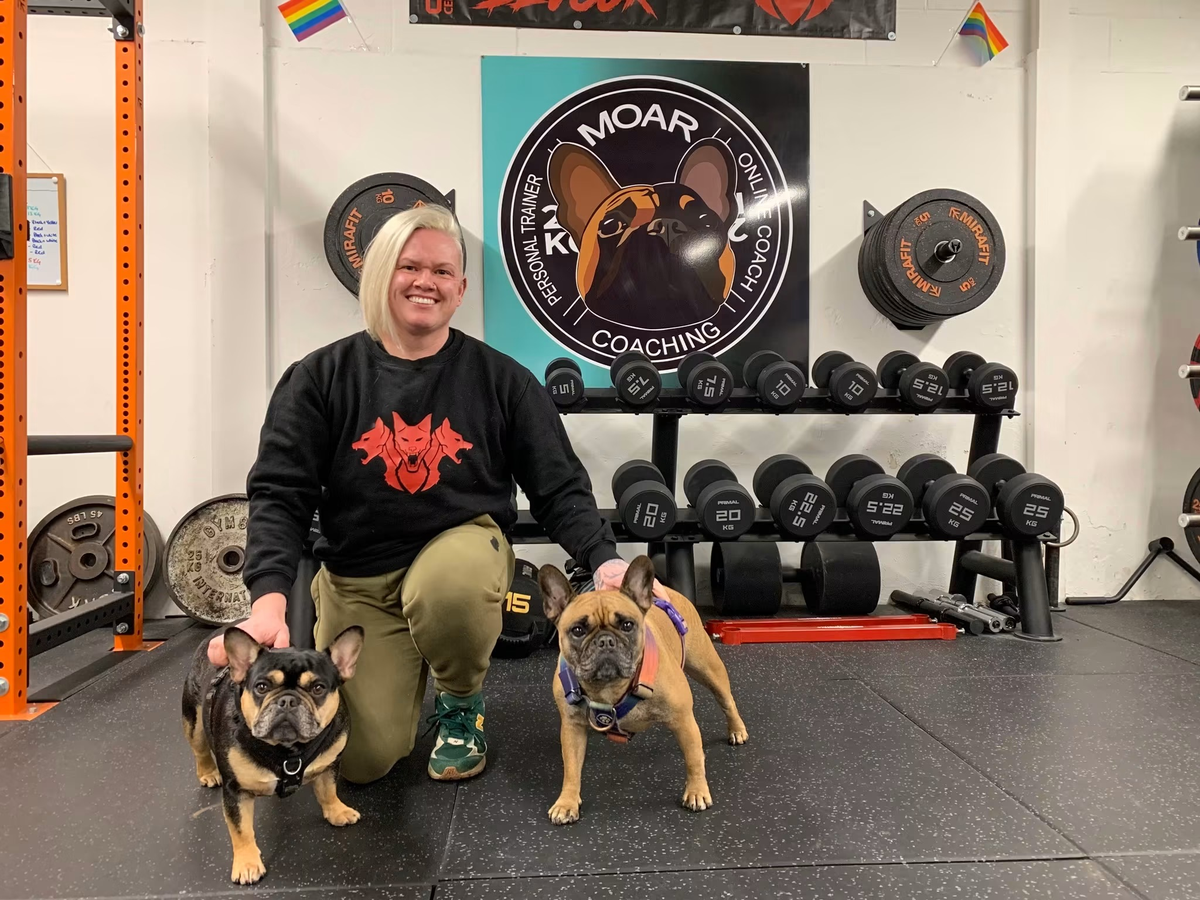
At an international event in Finland I pulled a four-tonne lorry 65 feet in 26 seconds and finished on the podium. Press coverage records the outcome, though it cannot show all the daily practice behind it. I now run Gym Moar and Moar Coaching in Middlesbrough.
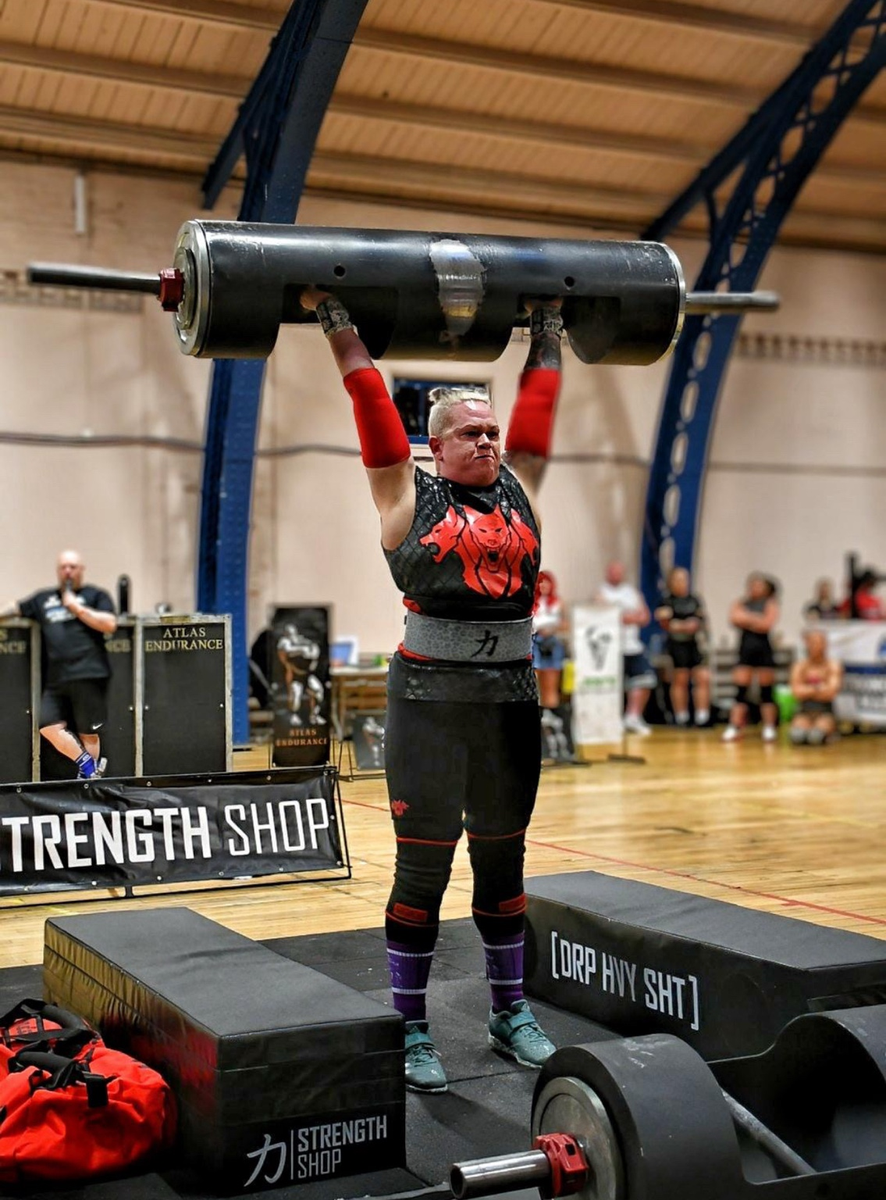
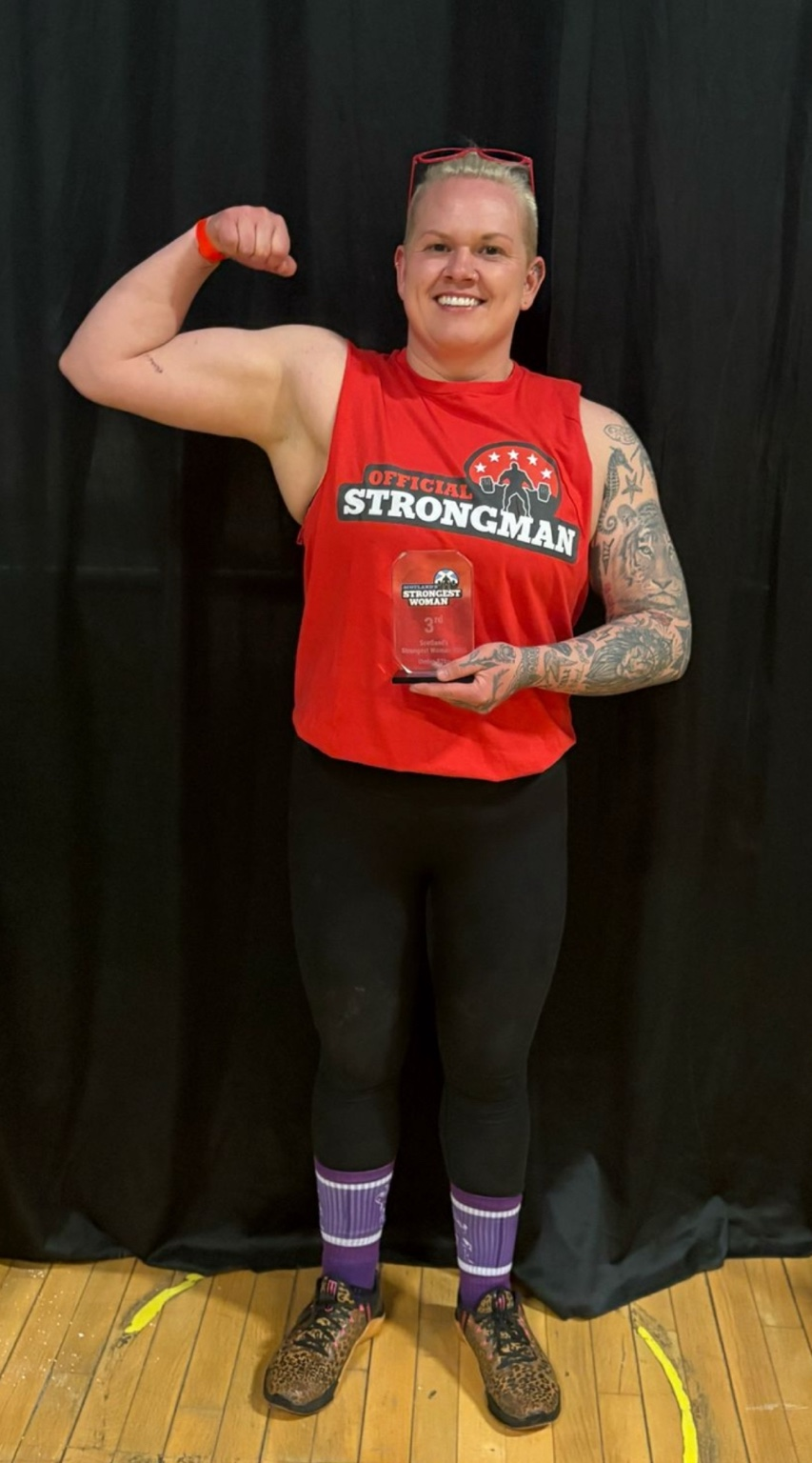
Looking back, it is difficult to reconcile that athlete with the child who struggled to cross uneven ground. With each session I gained physical strength, confidence and a clearer belief in what I could do. Strongwoman competition followed, then the chance to represent Shetland and Scotland nationally and internationally.
When someone tells me they started later than others, I begin with capacity. I test balance, joint range, grip strength and breathing, then programme sessions that change one variable at a time. Progressions begin with movement patterns, then repetitions, then load.
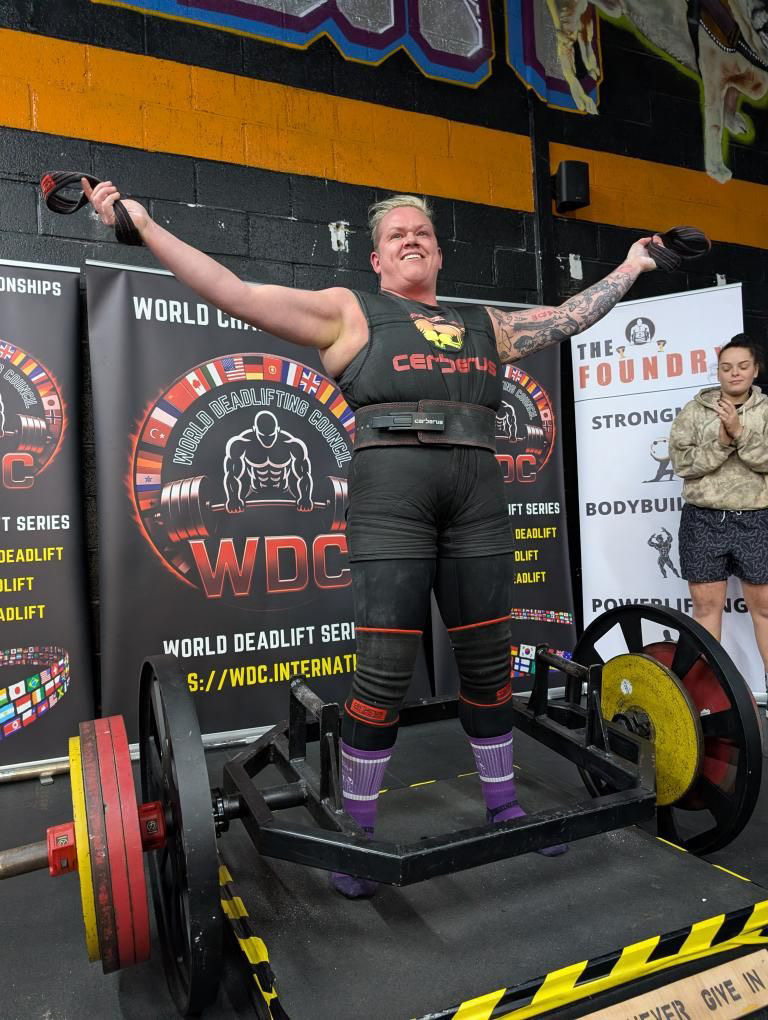
Pick one small metric to improve this week, record it honestly and repeat the task until the improvement is reliable. Competition results and a beginner's first lift both rely on accurate feedback, repeated practice and a setting that supports steady effort.