
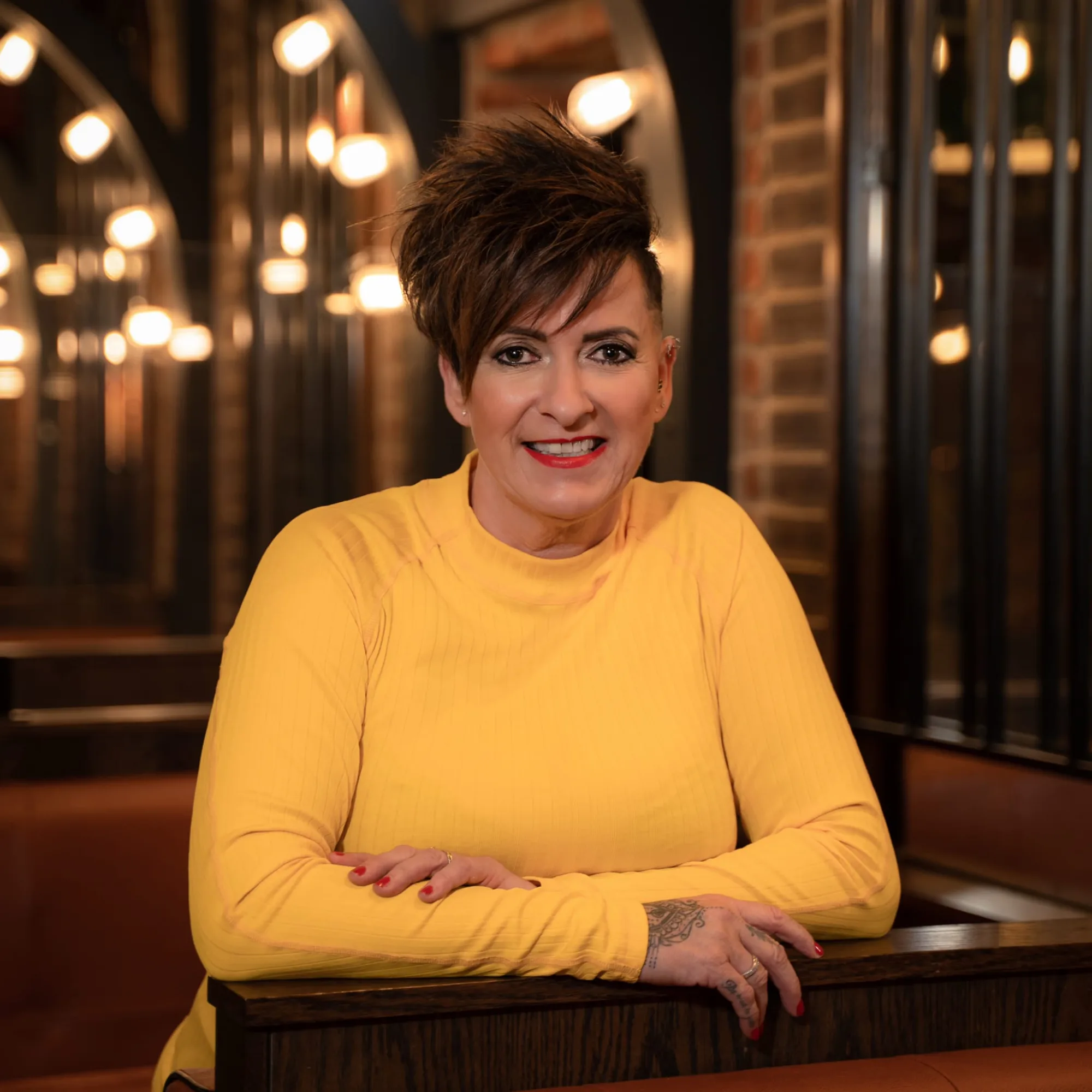
Four weeks after my four-year-old son died, I sat across a table from a man who had sexually abused his own children.
My son Cameron had died from neuroblastoma. I was still trying to understand how I was supposed to wake up each morning in a world where my little boy no longer existed. Yet there I was, back at work and expected to do my job.
I wanted to ask whether he had any idea what I would give for one more day with my son. I could not say any of that. Those children needed the detective sitting across from him, not the mother whose grief was still raw. I pushed everything down, remained professional and carried on with the interview.
At the time, I saw returning to work as proof that I was strong enough to cope. Looking back, it showed how exceptionally good I had become at suppressing what I felt.
The capable person everybody could rely on
On another shift, a woman screamed at me that I had no idea what it was like to lose a son. I did know. I did not tell her about Cameron because that moment was not about me. I gave her what she needed from the police officer in front of her and carried on.
That was what I did throughout 28 years in the police. I became a detective, received four bravery awards and remained professional in situations most people would find unbearable. People saw someone strong and capable. They did not see everything I suppressed.
I had learned to do that long before I joined the police. I experienced physical and emotional abuse in childhood and was sexually abused at 13. I learned to watch people, notice the slightest change in mood and work out how to keep the peace. Silence and people-pleasing became ways to protect myself.
Survival was not something I switched on when I needed it. It became the way I lived.
When functioning hid the truth
When Cameron died, I relied on the same patterns. I pushed everything down, looked after other people and carried on working. Because I could still function, everybody assumed I was coping, including me.
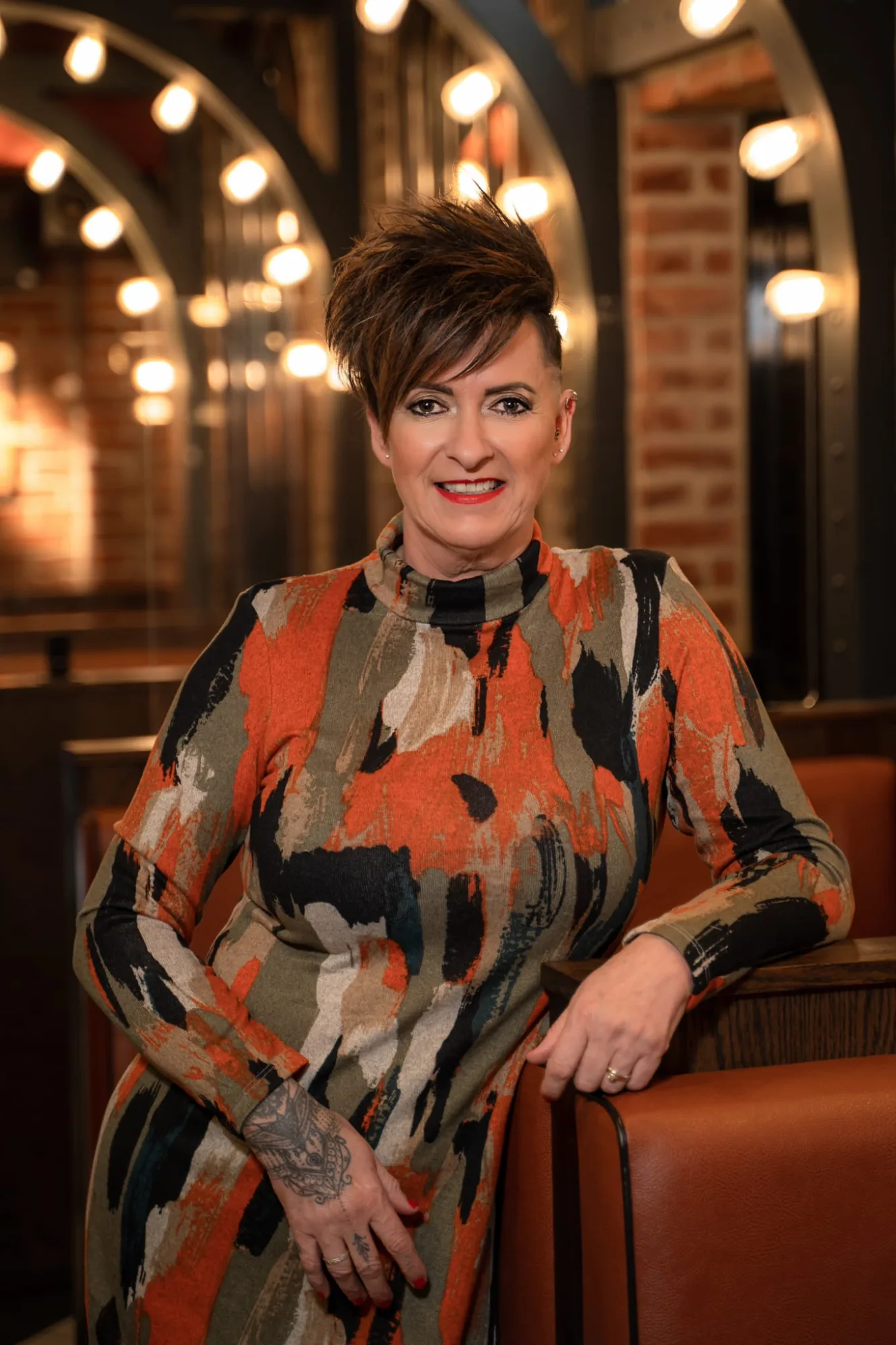
I lost ten years of my life to depression while continuing to perform brilliantly at work. I put on my uniform and the mask that went with it every day. Eventually, the gap between how I appeared and how I felt became unbearable, and I tried to take my own life.
Understanding trauma and the nervous system helped me connect the child who stayed quiet, the police officer who remained professional and the grieving mother who returned to work. My body had learned that silence, control and suppression kept me safe.
Mindset work helped me understand where those patterns came from, but insight alone did not stop my body reacting before I could think. Lasting change meant releasing buried emotions, practising different responses and questioning what I believed I had to be in order to feel safe and loved.
Using my voice
Using my voice became part of that change. When I came out as gay, my parents disowned me for eight years. This time I refused to hide who I was to make somebody else comfortable.
I am now approaching 60, living with my wife Wendy, doing work I believe in and standing on stages using the voice I spent most of my life suppressing. My past will always be part of me, but it no longer gets to decide how I live.
I became brilliant at surviving because, for a long time, I had to. My greatest achievement is not that I survived my past. It is that I refused to let it decide my future.