
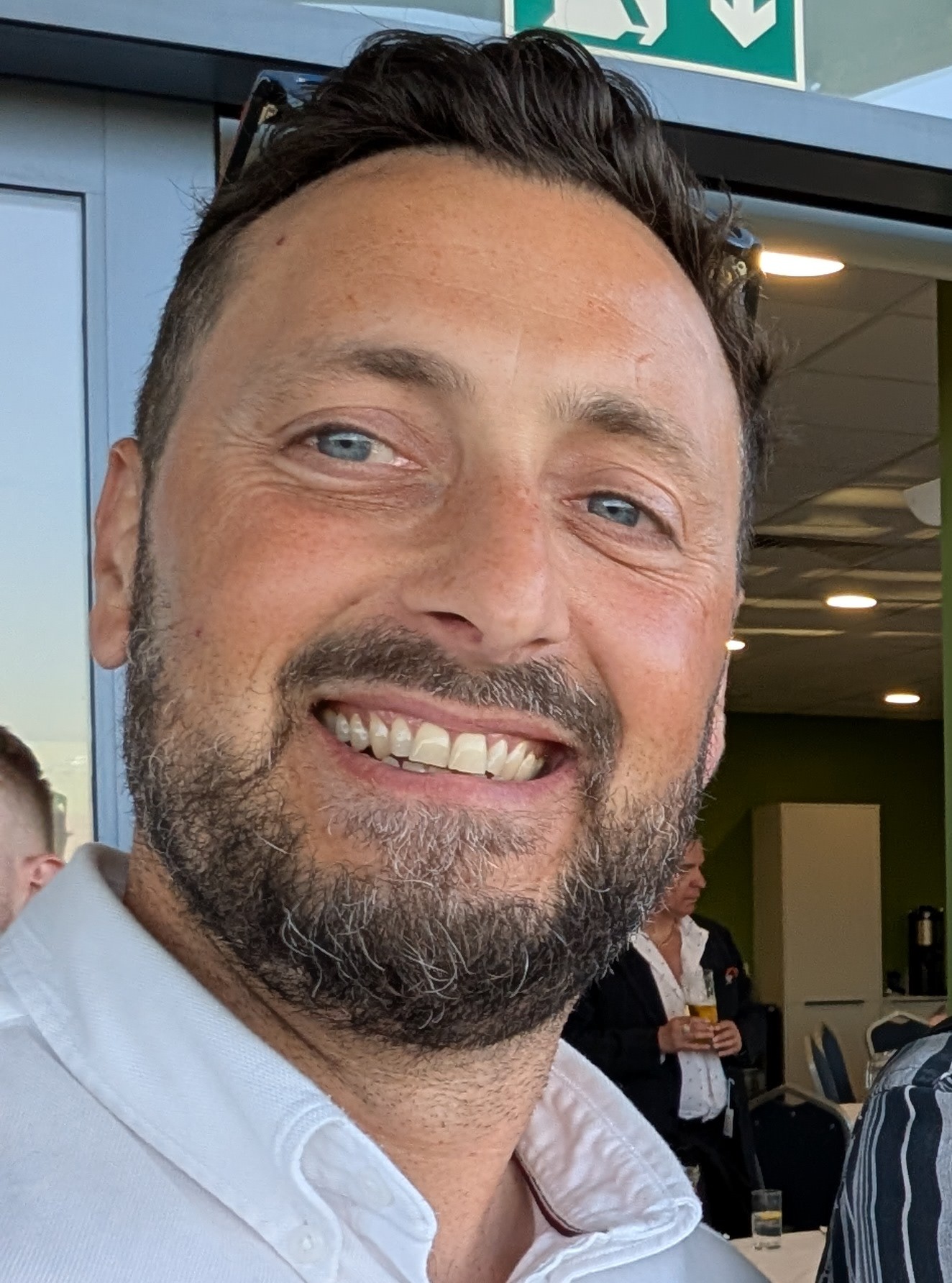
I have always been a shoot-first, ask-questions-later sort of person. Jump out of the plane and build the parachute on the way down.
Coming out of Covid, I was on my own. Within three years there were more than forty people across a group of businesses: architecture, construction, archaeology, ecology and media.
From the outside, that looked like momentum. In truth, I was handing part ownership of things to other people faster than I could put anything in place to protect myself if I had misjudged them.
The evidence was arriving. I filed it wrong.
The afternoon it stopped being explainable
My architecture practice held on to its people. The other businesses did not. People leaving is a message, and it comes from the people in the building with the clearest view and nothing to gain by staying quiet. I was being told repeatedly for two years. I heard recruitment noise.
Then, on one of my own projects, a director said something he did not mean me to hear. The penny dropped. A year of things that had never made sense rearranged themselves into one explanation: jobs running over, my hand in my pocket to cover wages and me taking the difficult client calls for work I was paying somebody else to run.
A few months later it came apart. He resigned, and I was left to deal with the team and close it down. Around £2 million of deals disappeared.
When the chequebook beats the contribution
Then it reached the church. We had bought it for £57,500 and taken it to a £1.2 million serviced holiday let. My money, time and team had gone into it. My interior design business specified, ordered and installed every item without markup or a fee for the time.
When the businesses failed and I had nothing left to put in, my joint-venture partner received an inheritance and could fund the rest. The balance moved because he could pay for the next problem and I could not.
Two companies I had resigned from the year before became insolvent. That damaged my ability to borrow, and the church needed a mortgage to leave expensive development finance. I resigned my directorship and relinquished 31 per cent of my shares because it was the only way the refinance could happen.
We agreed to revisit it once the mortgage was in place. That agreement was a conversation. I signed the papers, then discovered how little an unwritten promise weighs when it becomes inconvenient.
I had spent two years learning that unwritten value counts for nothing, and I still left the agreement that mattered most unwritten.
The building is open and taking bookings now. I have nothing to do with it. The same pattern repeated across three projects: vision, unpaid time and expertise were discounted because somebody else's money was recorded and mine was not.
What it took
I will not pretend that period was anything but horrible. There were months when stopping altogether seemed like the sensible option. Some weeks, still being here was the whole achievement.
What do I do differently now? Timesheets on everything, including my own hours and my team's. A partnership agreement that says what happens when it goes wrong, not only how we divide things when it goes right. A running total of time, effort and expense from day one, so contribution is a figure rather than a feeling.
Leaving never gets cheaper. Every month you wait, the price of walking away rises, which makes leaving feel less affordable. Have the difficult conversation while it still costs an awkward hour. Left alone, it may cost the company.
If your people are leaving faster than you can explain it, stop calling it bad luck and go and look.