
Arrival in the country
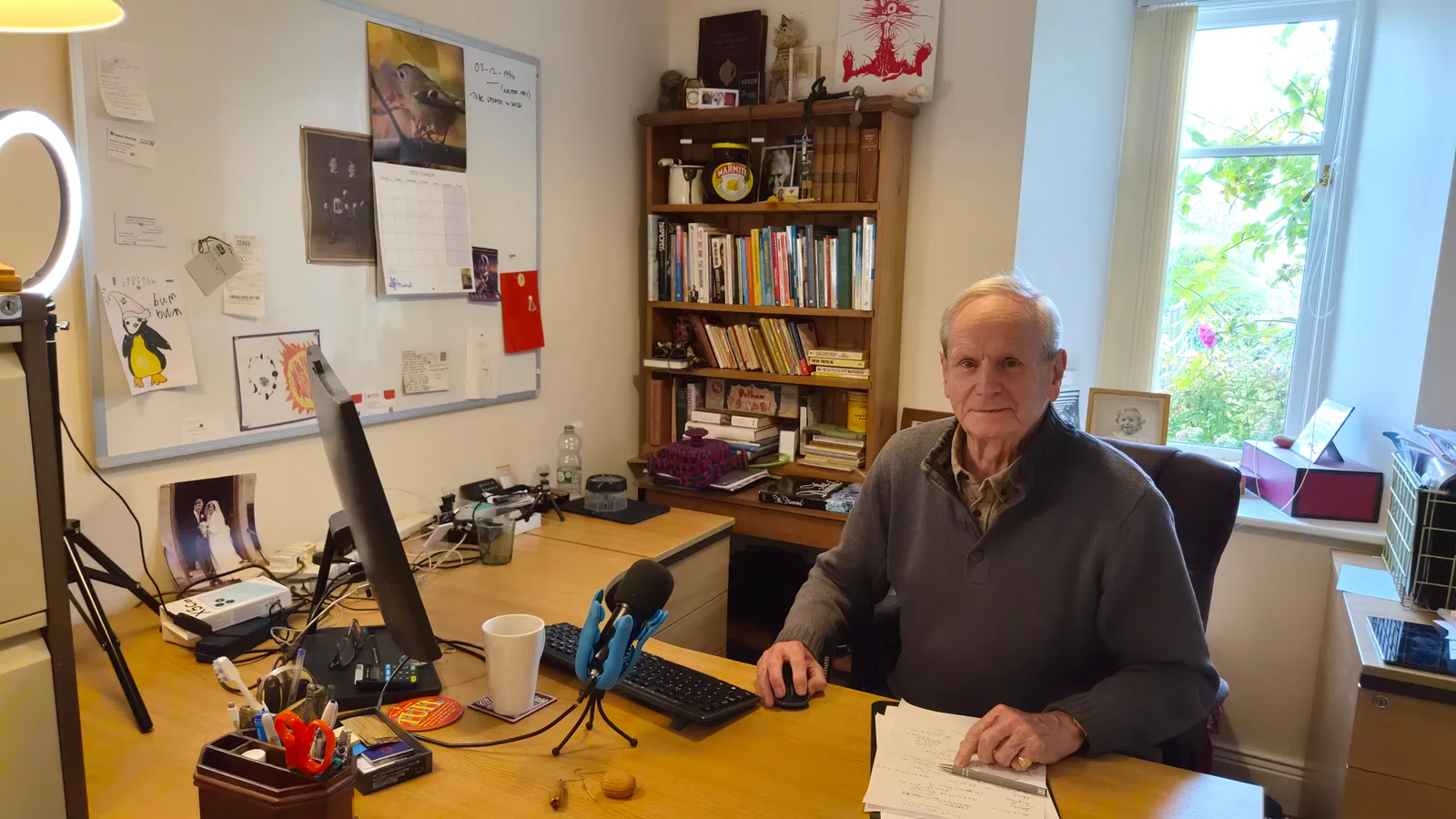
In April 1974 I flew into a remote part of what was then Zaire to buy rough diamonds for De Beers. Stones arrived by the handful and values had to be assessed where mistakes cost real money. I stayed with De Beers for 22 years.
From the outside, that might look like the solid spine of a conventional career. It was not the whole story.
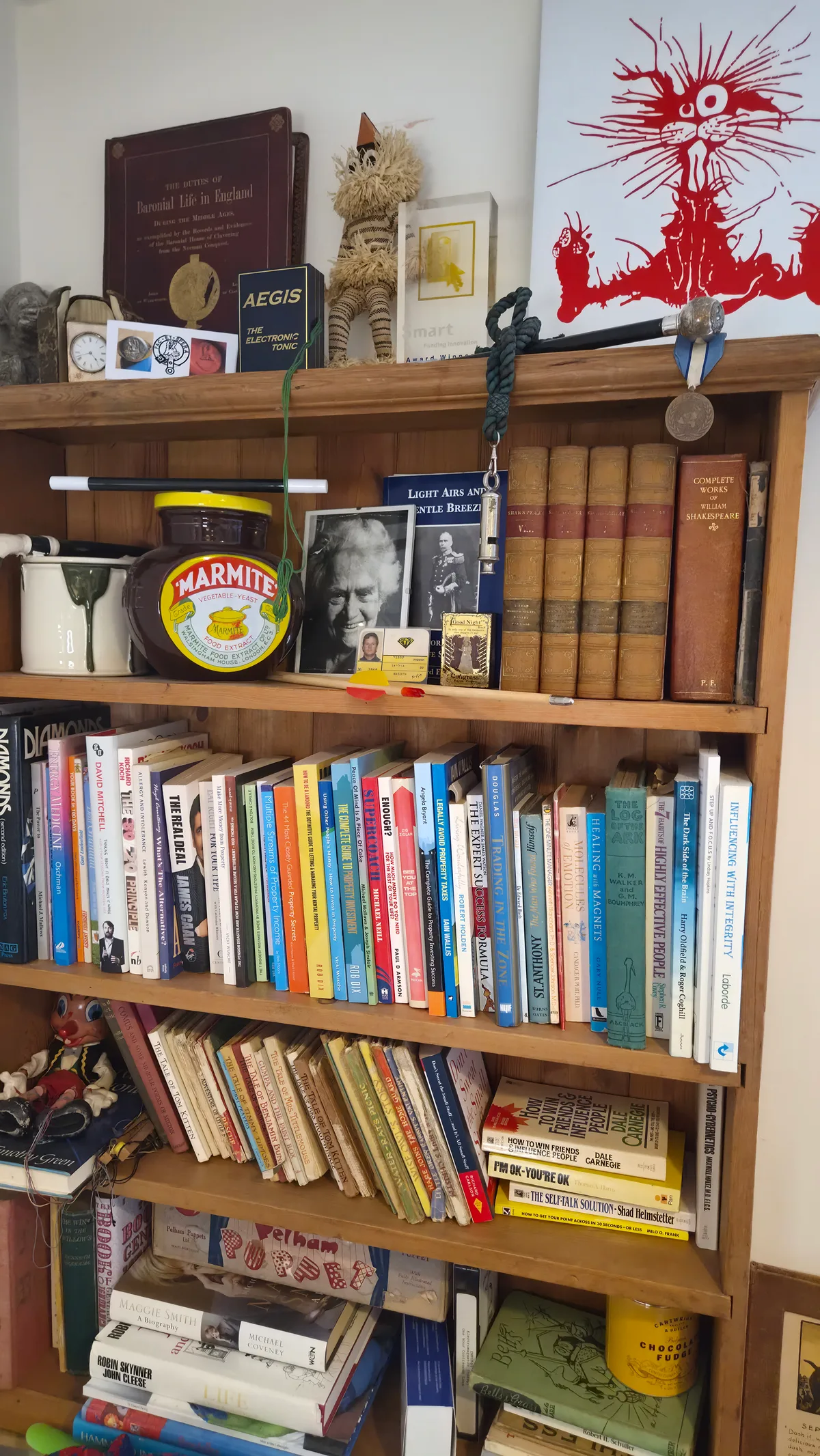
From diamonds I moved into stress management, coaching, technology, entrepreneurship, theatre, film and property. Each shift made sense at the time. Some made sense only afterwards. Curiosity links those choices. For years I called it restlessness and treated it as both strength and flaw.
The question that stopped me
Had I been more focused, might I have been more successful? The honest answer is probably yes, at least by conventional measures. I might have built one thing for longer and turned fewer corners. Then another question followed: would I still have been me?
A straighter lane might have delivered more conventional success. My less orderly route brought exposure to people, industries, failures and ways of thinking that rarely meet inside one career. Those lessons do not sit neatly on a CV. They appear in judgement and the ability to recognise a pattern sooner next time.
Experience includes the wrong turn recognised sooner next time, the person trusted too quickly and the assumption mistaken for fact. We prepare people financially for retirement, then quietly place decades of judgement and pattern recognition into storage.
A complex property project still keeps me busy. At the same time, Edge of Maturity has grown into something more substantial. I am building a simple framework to help people connect, keep growing and put their experience to work for themselves and others.
I now treat legacy as work done now: a story told before its detail fades, a warning offered without demand, an idea passed to someone who takes it further. Experience has value when we put it back into circulation.
Still unfinished
I adopted AI to support thinking rather than speed up email. I question it, argue with it and ask it to expose weaknesses. Used poorly, AI becomes an agreeable mirror. Used well, it becomes a sparring partner.
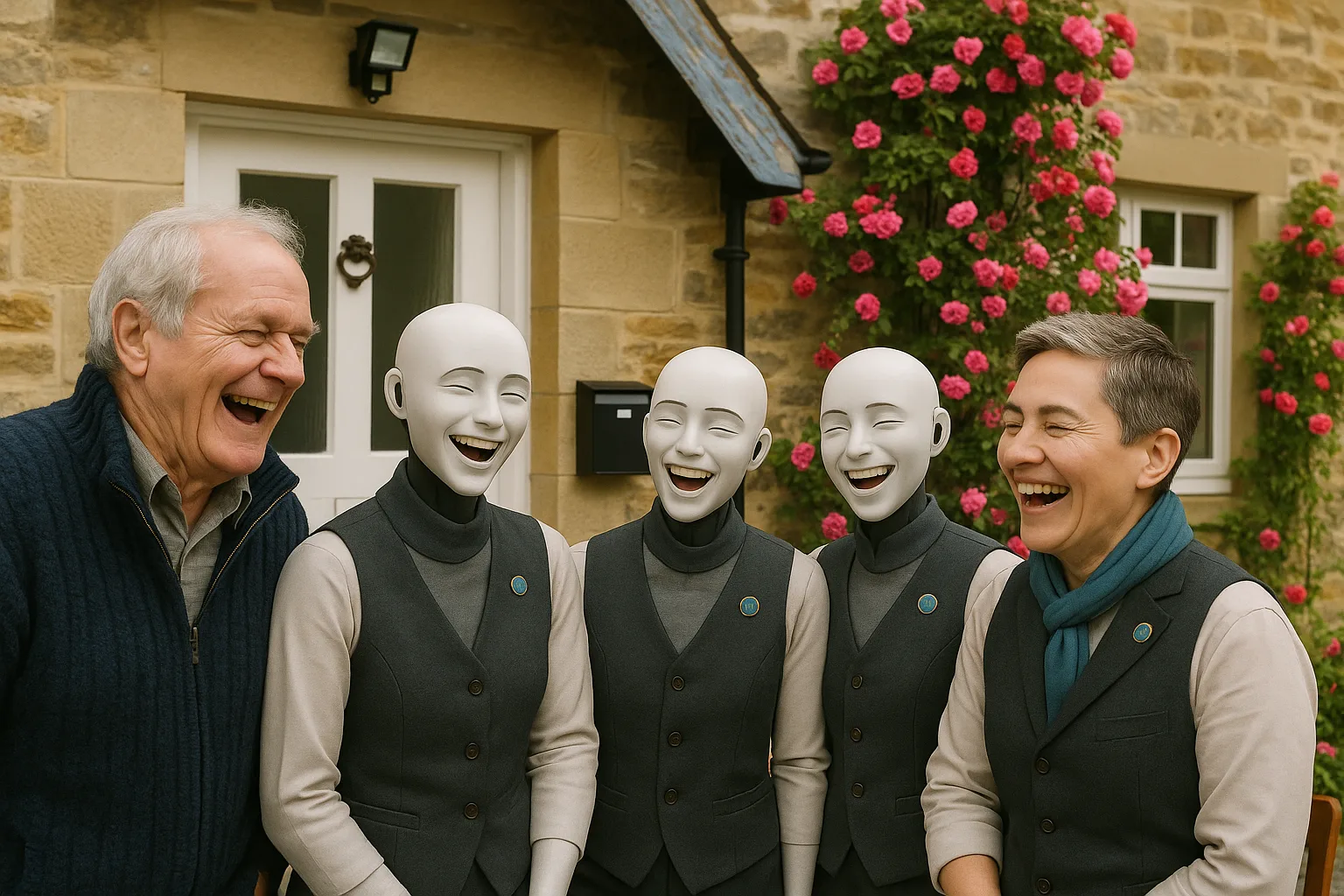
That is the ground from which Edge of Maturity emerged: life experience, different human perspectives and AI brought into the same conversation. Its purpose is to create the conditions for better questions and clearer thinking.
Maturity remains a shifting boundary. Treating yourself as finished with learning ends development. Experience still has work to do. I suspect that applies to many of us.