Courage, Change, and a Record-Setting Return to the Podium
28 September 2026

Ready to take the first step towards unlocking opportunity realizing goals.
Phone number
Email address
Office Address
Events
KLIK SaaS founder Kelly M. Whitfield joins The League on 14th September for an honest conversation about ambition, family, funding, and who gets to own the communities they build.
KLIK SaaS founder Kelly M. Whitfield joins The League on 14th September for an honest conversation about ambition, family, funding, and who gets to own the communities they build.
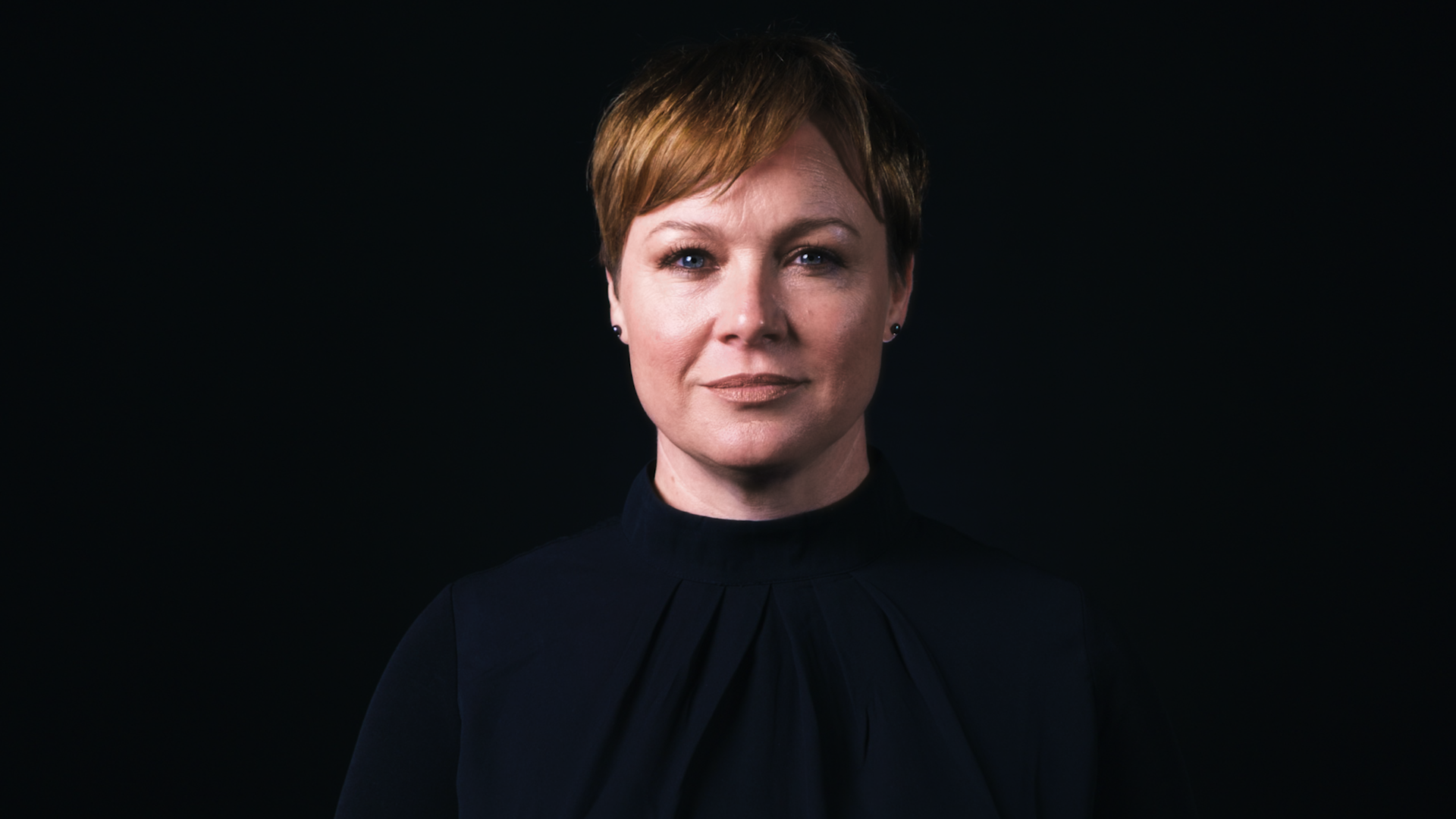
On Monday 14th September, Kelly M. Whitfield will join The League at Eslington Manor for a conversation about what it takes to keep building when ambition, responsibility, and circumstance refuse to arrange themselves neatly.
Kelly describes herself as an underdog. Her route has taken her from a council estate into the police service, through more than twenty-five years in business, and now to the helm of KLIK SaaS, a North East technology company designed to help organisations build and own their digital communities. Along the way she founded specialist recruitment firm Adept in 2006 and Adept Payroll Services in 2013, developed a reputation for direct advice on recruitment and retention, became a Visiting Fellow at Durham University, and spoke publicly about the gap between the support founders are told exists and the support they can actually reach.
There is plenty in that career to discuss at dinner, but the interesting part is not a tidy list of achievements. It is how those achievements were built. Kelly's first child arrived in 2004. She launched her first company two years later with a small loan. When her second son was born in 2008, she was also appointed regional director for a national trade body. Her businesses were profitable from their first year and grew organically, yet she has been candid about deliberately controlling their pace so she could put her children first.
That distinction matters. A business can look deliberately small from the outside while containing an ambition its founder has had to ration. In her BusinessCloud article on female founders and funding, Kelly asks whether the familiar investment statistics tell us enough about the family structures, time, and practical support available to the women behind them. Her own account refuses both regret and easy celebration. She is proud that she built around her boys. She also questions why the compromise was so disproportionately hers to make.
KLIK grew from Kelly's long view of recruitment and employee engagement. Organisations spend years gathering people around a purpose, service, profession, place, or cause, then conduct much of that relationship through social platforms and disconnected tools they do not control. The audience may be theirs in spirit, but the data, access, and commercial opportunity often sit elsewhere.
KLIK SaaS gives businesses, membership bodies, charities, and other organisations a white-label community space connected to their existing website. It brings communication, events, engagement, and recruitment tools into one environment. The proposition is grounded in ownership: the organisation can develop its own network, understand it, and create value within it without handing the relationship to a collection of third parties.
In February 2026, the pre-revenue company announced a £300,000 SEIS and EIS-backed seed round at a reported £6 million valuation. The number attracts attention, particularly for a product developed entirely in the North East. The more useful conversation is what came before it: decades of observing the same structural problems, the confidence to turn experience into software, and the work of convincing other people to back an idea before the market has supplied reassuring proof.
Kelly's experience also opens a harder discussion about fundraising itself. Investment advice often concentrates on the pitch, the deck, and the size of the opportunity. Her story brings the founder's life back into view. Who has enough time to enter the rooms where capital moves? Who can absorb years of risk? Who is caring for children while building the evidence an investor expects? What potential remains hidden because a capable founder has chosen steady revenue over visible scale?
Ownership connects the different parts of Kelly's story. It appears in her insistence that organisations should control their communities and data. It appears in the decision to build profitable companies on terms that worked for her family. It appears again in her willingness to enter rooms where North East women and technology founders have historically been underrepresented, including a delegation to 11 Downing Street, and to speak plainly once inside.
For members around The League's table, this should be a practical and personal evening. We will talk about spotting a problem worth spending years on, moving from service expertise into a scalable technology product, raising money before revenue, and separating useful conviction from founder mythology. We will also ask what businesses lose when they treat communities as audiences, and what changes when the people who created a network retain control of it.
Kelly's public work has the tone of someone who would rather act than wait to be selected. Her account of visiting Downing Street begins with a small but revealing moment: somebody had to ring the doorbell, so she did. On 14th September, we will explore the years of work that make a person ready to press it.
Date: Monday 14th September 2026
Arrival: 18:30 for dinner at 19:00
Venue: Eslington Manor, Gateshead
Tickets: £45 per seat
Thirty seats. One table. An honest conversation about building, belonging, and taking ownership of the opportunities in front of you.
Join Kelly at the table
28 September 2026

15 July 2026

1 July 2026

4 May 2026
2 April 2026

28 February 2026

15 February 2026

1 February 2026
The next table
If you have built something, led people through a hard decision or found your way through a setback, we would like to hear your story.
Request an invitation
Leave a Comment
Your email address will not be published.